
Yoga Meets Calisthenics: Ultimate Mobility Guide
Fiteek Team
7 min read

Discover the synergy of yoga and calisthenics to enhance mobility, strength, and flexibility in your fitness routine.
Introduction to Mobility Fitness
Mobility fitness refers to the ability of your joints to move freely through their full range of motion with control and stability. Unlike flexibility, which focuses primarily on muscle length, mobility encompasses joint health, muscle strength, and neuromuscular control, making it foundational for overall physical function.
Maintaining good mobility is crucial for everyday activities such as walking, bending, and reaching. It also plays a vital role in injury prevention, athletic performance, and long-term joint health. When mobility is compromised, compensations and restrictions can lead to pain, decreased performance, and increased risk of injury.
Key takeaway: Prioritizing mobility fitness enhances movement efficiency, supports joint health, and contributes significantly to overall well-being.
The Benefits of Yoga and Calisthenics
Combining yoga and calisthenics offers a holistic approach to fitness, enhancing flexibility, strength, and endurance. Yoga promotes body awareness, balance, and deep stretching, which complement the dynamic and strength-building exercises found in calisthenics.
By integrating these two disciplines, practitioners can achieve improved muscle control and joint mobility, while boosting cardiovascular and muscular endurance through bodyweight training.
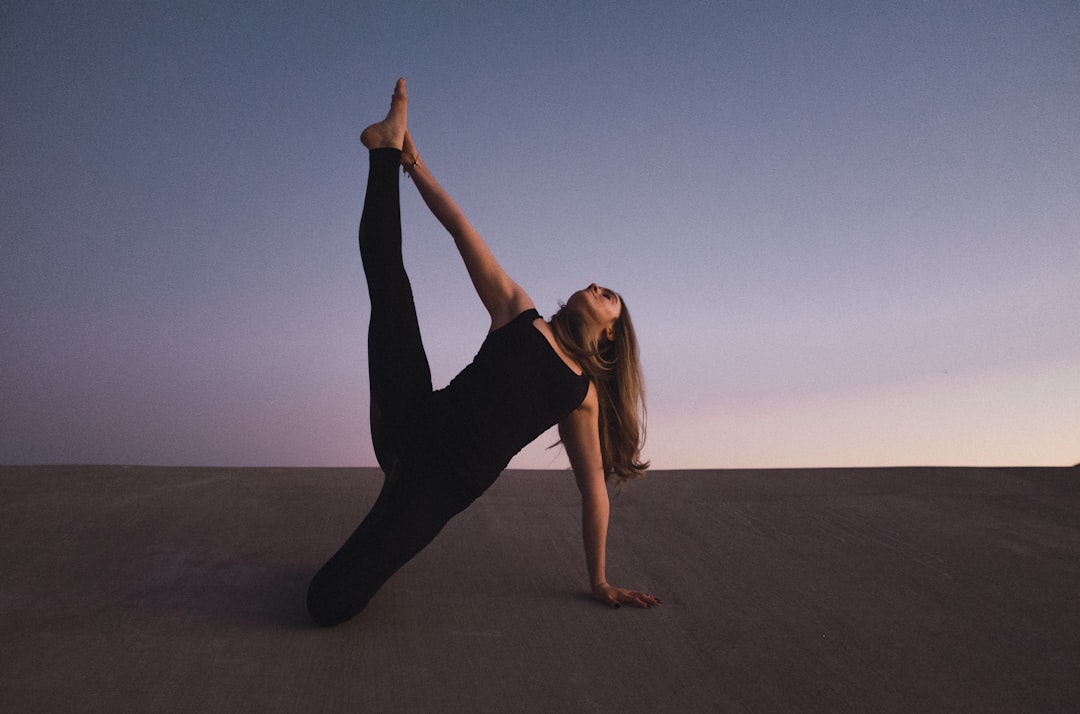
Key Takeaways: The synergy between yoga and calisthenics enhances overall physical performance by combining flexibility, strength, and endurance training into one balanced workout.
- Increased flexibility through dynamic stretching and poses
- Enhanced muscular strength using bodyweight resistance
- Improved endurance by sustained holds and repetitive movement sequences
- Better body control and balance
- Reduced risk of injury with balanced muscle development
How to Begin Your Mobility Routine
Starting a mobility routine that combines yoga and calisthenics is a fantastic way to enhance flexibility, strength, and overall movement quality. Here’s a step-by-step guide to help you build a balanced and effective mobility practice.
Step 1: Warm Up Your Body
Begin with 5-10 minutes of light aerobic activity like walking or gentle jogging to increase blood flow and prepare your muscles for movement.
Step 2: Incorporate Dynamic Yoga Stretches
Use yoga poses that emphasize gentle stretching and fluid transitions. Examples include Cat-Cow, Downward Dog, and Sun Salutations. These movements promote spinal mobility and warm up key muscle groups.
Step 3: Add Calisthenics Mobility Drills
Integrate bodyweight exercises that improve joint mobility and strength. Try exercises like deep squats, shoulder circles, and hip openers to enhance functional movement.
Step 4: Focus on Controlled Breathing
Throughout your routine, practice deep, even breaths. Controlled breathing helps relax muscles and improve movement efficiency.
Step 5: Cool Down with Static Yoga Poses
End your session with slower, static poses such as Child’s Pose, seated forward folds, and gentle twists to promote flexibility and recovery.
Consistency is key: aim to practice this combined routine 3-4 times a week for best results.
Sample Mobility Workout
Exercise
Duration/Reps
Focus
Cat-Cow
10 breaths
Spinal flexibility
Deep Squats
3 sets of 10
Hip and ankle mobility
Downward Dog to Cobra Flow
8 rounds
Full-body mobility and stretch
Shoulder Circles
2 sets of 15 each direction
Shoulder joint mobility
Child's Pose
1-2 minutes
Cool down and stretch
Essential Yoga Poses for Mobility
Improving mobility through yoga is key to enhancing overall fitness, preventing injuries, and increasing functional movement in daily activities. Incorporating specific yoga poses that target flexibility, joint health, and muscular balance can significantly contribute to better mobility.
Key Yoga Poses for Enhancing Mobility
- Downward Dog (Adho Mukha Svanasana): This pose stretches the hamstrings, calves, and shoulders while lengthening the spine, which helps improve overall flexibility and joint mobility in the upper and lower body.
- Cat-Cow Pose (Marjaryasana-Bitilasana): A gentle flow between arching and rounding the spine increases spinal flexibility and warms up the back muscles, promoting better posture and reducing stiffness.
- Warrior II (Virabhadrasana II): Builds strength and opens the hips and chest, aiding hip mobility and improving balance and stability.
- Bridge Pose (Setu Bandhasana): Strengthens the glutes and lower back while stretching the chest and hip flexors, promoting spine flexibility and hip mobility.
- Seated Forward Fold (Paschimottanasana): Targets the hamstrings and lower back to increase flexibility and release tension, improving the range of motion in the hips and spine.
Incorporating these poses regularly can lead to enhanced joint flexibility, reduced muscle stiffness, and improved movement efficiency, all of which contribute to overall fitness and injury prevention.
Calisthenics Exercises for Flexibility
Enhancing flexibility is key to achieving fluidity and ease in movement, and combining calisthenics exercises with yoga can create a powerful routine to improve your range of motion. Calisthenics focuses on bodyweight movements that strengthen muscles while encouraging flexibility through dynamic stretches and controlled motions.
Fundamental Calisthenics Exercises That Complement Yoga
- Cat-Cow Stretch Variations: This gentle spinal warm-up improves back flexibility and prepares the core for deeper movements.
- Deep Forward Lunges: Lunges stretch the hip flexors and hamstrings, helping to unlock tight hips often common in yoga practitioners.
- Scapular Push-ups: These strengthen the shoulder girdle while promoting mobility and stability, enhancing upper body flexibility.
- Cossack Squats: A lateral squat that targets the inner thighs and hips, improving hip joint flexibility and balance.
- Dynamic Leg Swings: Swinging your legs forward and sideways warms up the hip joints dynamically and complements static yoga poses targeting the legs.
Integrating these calisthenics exercises into your yoga routine can deepen your flexibility gains by encouraging active movement and muscle engagement, helping prevent injury and improve overall mobility.
Creating a Balanced Routine
Integrating yoga and calisthenics into your fitness routine can provide a harmonious balance of strength, flexibility, and mindfulness. Yoga focuses on improving flexibility, breathing, and mental clarity, while calisthenics emphasizes bodyweight strength and functional movement.
How to Get Started
Begin by dedicating separate days or sessions to each practice, allowing your body to adapt and recover. For example, alternate yoga sessions for flexibility and recovery with calisthenics workouts to build muscle endurance and strength.
Benefits of Combining Yoga and Calisthenics
- Improved muscle balance and posture
- Enhanced joint mobility and stability
- Increased body awareness and control
- Reduced risk of injury through dynamic stretching
- Better mental focus and stress relief
Creating a routine that thoughtfully blends these disciplines can lead to holistic fitness progress and greater overall well-being.
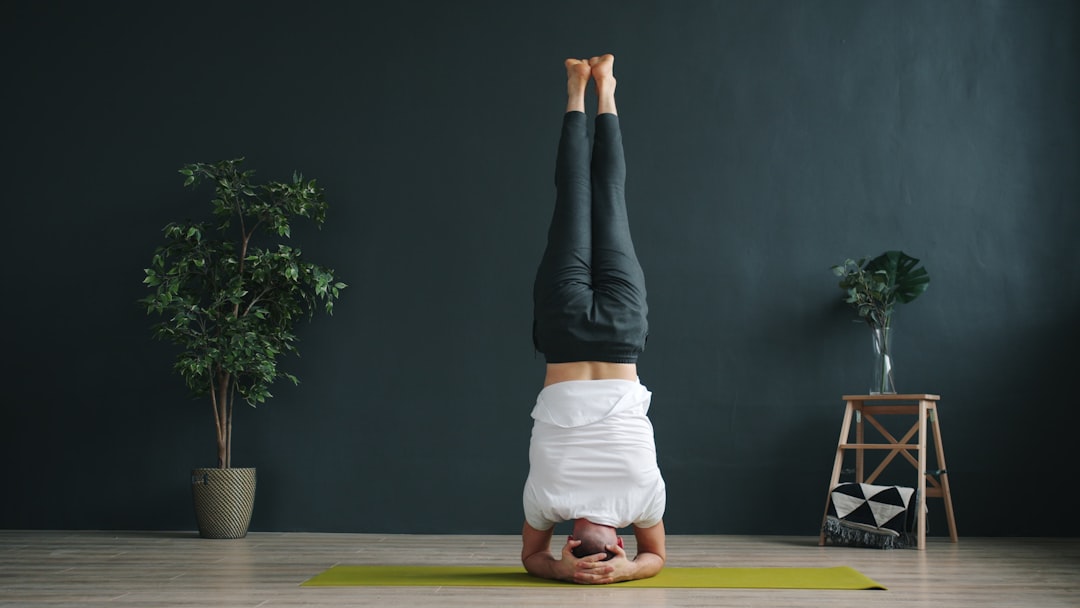
Consistent integration of yoga and calisthenics supports both physical strength and mindfulness, creating a sustainable and enjoyable fitness lifestyle.
Track Your Progress and Adjust
Monitoring your progress is essential to ensure you stay on the path toward your goals. Regular tracking helps identify what’s working and what needs improvement, allowing you to make informed adjustments for continued growth.
Tips for Effective Progress Tracking
- Set clear, measurable goals to make tracking straightforward and meaningful.
- Use journals, apps, or spreadsheets to record your achievements and challenges consistently.
- Schedule regular check-ins to review your progress—weekly or monthly reviews work well for most goals.
- Compare your current results against your initial benchmarks to identify trends over time.
- Celebrate small wins to stay motivated throughout your journey.
Making Necessary Adjustments
When progress stalls or unexpected obstacles arise, it’s important to reflect and adjust your strategy accordingly:
- Analyze what’s causing delays or setbacks to understand if changes in approach are needed.
- Be flexible—adjust timelines, methods, or resources to better suit your circumstances.
- Seek feedback from mentors, peers, or experts who can offer new perspectives.
- Focus on continuous learning to refine your skills and knowledge.
- Maintain a positive mindset; adaptability is key to long-term success.
Remember, tracking your progress isn’t just about noting success, but also about recognizing areas for growth and responding with thoughtful adjustments. This proactive approach empowers you to improve consistently and reach your goals efficiently.
Conclusion: Embrace the Fusion
Combining diverse approaches to mobility unlocks a range of benefits that enhance flexibility, strength, and overall movement quality. This dynamic fusion addresses multiple facets of physical health, leading to improved performance and reduced risk of injury.
By integrating these strategies, you create a holistic mobility routine that adapts to your unique needs, promoting long-term wellbeing and optimal function.
We encourage you to embrace this powerful combination, harnessing its full potential to achieve balanced, pain-free movement in your daily life.
Disclaimer: This article is for education purposes only. Before starting any new workout routines or diet plans, please consult a professional worker.