
Overcome Weight Loss Plateaus: Gym & Diet Tips
Fiteek Team
7 min read

Discover effective gym and diet strategies to break through weight loss plateaus with our expert tips. Boost your progress and achieve your goals.
Understanding Weight Loss Plateaus
A weight loss plateau occurs when your progress stalls despite continued efforts to lose weight. After an initial period of steady decline in weight, many individuals find that the scale stops moving for several weeks or longer. This plateau can be frustrating, but it is a common and natural part of the weight loss journey. The primary reason plateaus occur is that your body adapts to the changes you’ve made. As you lose weight, your metabolism slows down because your body requires fewer calories to maintain its new size. Additionally, the hormonal and physiological changes that aid in weight loss initially may stabilize, reducing the pace of weight reduction.
Common Factors Contributing to Weight Loss Plateaus
- Metabolic Adaptation: A decrease in resting metabolic rate as your body becomes more efficient.
- Caloric Intake Underestimation: Sometimes people unintentionally consume more calories than they realize.
- Decrease in Physical Activity: Reduced movement throughout the day can lower overall calorie burn.
- Loss of Muscle Mass: Muscle burns more calories than fat; losing muscle can slow metabolism.
- Water Retention: Temporary fluid retention can mask fat loss on the scale.
- Behavioral Fatigue: Difficulty maintaining strict diet or exercise routines over time.
Understanding these factors can help you adjust your strategy to overcome plateaus and continue progressing towards your weight loss goals.
Adjusting Your Gym Routine
Hitting a plateau in your fitness journey can be frustrating, but changing up your gym routine is a powerful way to push through and keep making progress. Here are some effective strategies to reinvigorate your workouts and overcome stagnation.
- Increase Intensity: Gradually ramp up the weight, repetitions, or reduce rest time between sets to challenge your muscles in new ways.
- Try New Exercises: Introducing different movements targets muscles differently and prevents your body from adapting to the same routine.
- Add Strength Training: Incorporate strength-focused workouts like weightlifting or resistance training to build muscle mass and boost metabolism.
Remember, consistency combined with varied, challenging workouts is the key to breaking plateaus and achieving continuous improvement.
Reevaluating Your Diet
Hitting a plateau in your fitness or weight loss journey can feel frustrating, but often the solution lies in making thoughtful dietary changes. Adjusting how and what you eat can help you break through these stagnant phases and continue progressing toward your goals.
Portion Control
Controlling portion sizes is one of the simplest yet most effective ways to reduce calorie intake without sacrificing satisfaction. By becoming mindful of serving sizes and avoiding overeating, you can create a calorie deficit necessary for continued progress.
Macronutrient Balance
The ratio of carbohydrates, proteins, and fats—the macronutrients—plays a critical role in how your body utilizes energy. Balancing these macronutrients to fit your activity level and goals can enhance metabolic efficiency, support muscle maintenance, and prevent energy slumps that stall progress.
Meal Timing
The timing of your meals impacts digestion, energy levels, and even fat storage. Strategically spacing meals and snacks throughout the day, considering pre- and post-workout nutrient intake, can optimize metabolism and help overcome plateaus.
Key takeaway: Reevaluating your diet by focusing on portion control, macronutrient balance, and meal timing provides a multifaceted approach to overcoming dietary plateaus and reigniting progress.
Importance of Rest and Recovery
Rest and recovery are crucial components of any successful weight loss journey. While exercise and proper nutrition are often emphasized, giving your body adequate time to recuperate can significantly boost your progress.
The Role of Adequate Sleep
Getting enough quality sleep helps regulate hormones that control hunger and appetite, such as ghrelin and leptin. Lack of sleep can lead to increased cravings and overeating, hindering weight loss efforts. Furthermore, sleep supports muscle recovery and repair, ensuring you can maintain a consistent workout routine.
Benefits of Rest Days
Incorporating rest days into your fitness schedule allows your muscles to repair and grow stronger. Overtraining can lead to fatigue, injury, and burnout, which ultimately slows down your progress. Rest days help maintain motivation and allow your body to adapt to the physical demands of your workouts.
Consistent rest and sleep optimize your body's ability to burn fat and build lean muscle, making weight loss more effective and sustainable.
- Improves hormonal balance for appetite control
- Supports muscle recovery and growth
- Prevents injury and reduces fatigue
- Enhances mental focus and motivation
Monitoring Progress Differently
Tracking weight loss solely by stepping on the scale can be misleading and sometimes discouraging. To gain a more comprehensive view of your health journey, consider alternative methods that provide deeper insights into your progress.
Measurements
Taking regular body measurements is an excellent way to track changes that the scale doesn’t reveal. Measure key areas such as your waist, hips, chest, arms, and thighs to monitor fat loss and muscle gain.
Body Composition Analysis
Understanding your body composition helps differentiate between fat loss and muscle gain. Techniques include:
- Bioelectrical Impedance Analysis (BIA)
- Dual-Energy X-ray Absorptiometry (DEXA) scans
- Skinfold calipers
- Hydrostatic weighing
Remember, improvements in body composition and measurements often reflect better health and fitness, even if the scale stays the same.
Staying Motivated During a Plateau
Hitting a plateau in your progress can be frustrating, but it’s a natural part of any journey. Instead of feeling discouraged, use this time as an opportunity to reassess and renew your commitment.
Remember: Progress isn’t always linear. Every step forward counts, even when the scale doesn’t show it.
Motivational Tips to Keep Going
- Adjust your goals to focus on new challenges or habits rather than just outcomes.
- Celebrate non-scale victories like increased energy, improved mood, or better sleep.
- Track performance metrics such as strength, endurance, or flexibility improvements.
- Find support through friends, groups, or online communities who understand your journey.
- Mix up your routine to keep things fresh and exciting.
By shifting your focus and celebrating all forms of progress, you’ll maintain motivation and continue moving forward, even when faced with a plateau.
When to Seek Professional Help
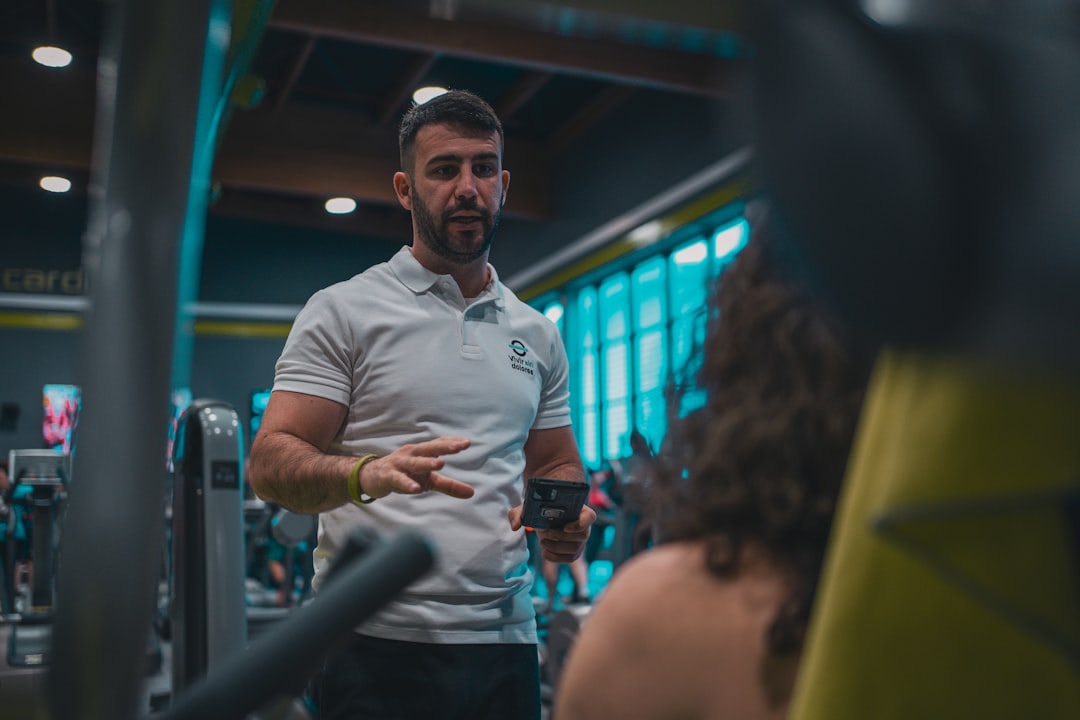
Hitting a plateau in your fitness or nutrition journey can be frustrating. While it’s often possible to overcome these stalls with some self-adjustment, there are specific scenarios where consulting a professional can make a significant difference. Nutritionists and personal trainers have the expertise to tailor advice and strategies to your unique needs, helping you break through plateaus more effectively. Consider seeking professional guidance if you experience any of the following situations:
- You've tried adjusting your diet and workout routine but see little to no progress over several weeks.
- You’re unsure if your current nutrition plan meets all your macronutrient and micronutrient needs.
- You want a personalized exercise program that accounts for your goals, limitations, and lifestyle.
- You’ve recently encountered injury or physical limitations that affect your ability to train safely.
- You feel overwhelmed by conflicting fitness and nutrition information and need clear, reliable guidance.
Experts can provide you with tailored assessments, monitor your progress, and introduce variables that may be missing from your approach. Their support not only helps optimize your routine but also keeps you motivated and accountable.
Remember, seeking professional help is not a sign of failure—it’s a proactive step toward achieving your goals more efficiently and safely.

Disclaimer: This article is for education purposes only. Before starting any new workout routines or diet plans, please consult a professional worker.