
How to Lose Belly Fat Fast: Science-Backed Diet & Exercise Tips
Fiteek Team
7 min read

Science shows belly fat isn’t just about looks — it’s about health. Learn how diet, exercise and lifestyle work together to help you lose belly fat fast, sustainably and for good.
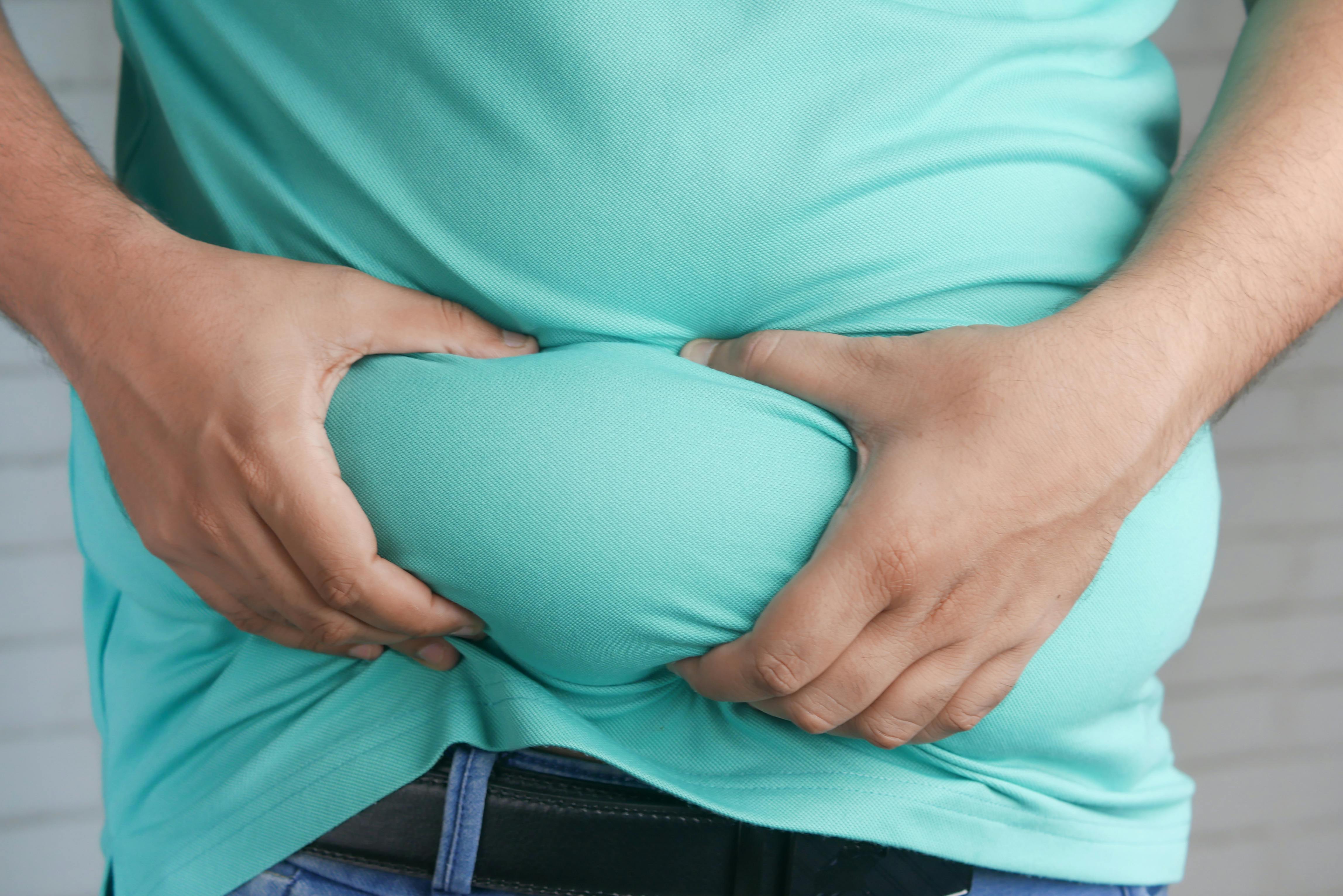
Why Belly Fat Matters: Health Risks Beyond Appearance
Excess belly fat, especially visceral fat (the deeper fat that wraps around your organs), isn’t just a cosmetic issue. It’s strongly linked to a range of health problems, including:
- Type 2 diabetes — belly fat is associated with higher insulin resistance (research summary).
- Cardiovascular disease — visceral fat releases inflammatory chemicals that can damage arteries.
- Hormonal disruption — promoting cortisol dominance, poor blood sugar control and slower metabolism.
- Reduced lifespan — larger waist circumference is strongly associated with higher mortality risk.
Key takeaway: Losing belly fat is about far more than visible abs. It’s one of the most impactful things you can do for long-term health, energy and metabolic resilience.
Why Belly Fat Is So Stubborn
If you’ve ever felt like your belly is the last place to lean out, you’re not imagining it. Several factors make abdominal fat more resistant to change:
- Hormones: chronically elevated cortisol and insulin promote fat storage around the midsection.
- Receptor differences: belly fat has more “alpha-2” receptors, which slow fat release compared with areas like arms or face.
- Stress and sleep: poor recovery amplifies belly fat accumulation over time.
That’s why belly fat responds best to a multi-factor approach — combining smart nutrition, strength training, cardio and stress management.
The Diet Strategy to Burn Belly Fat Fast
You can’t out-train a consistently poor diet. For most people, nutrition drives 70–80% of belly fat loss outcomes. Training sharpens the result — food builds the base.
1. Create a Smart Calorie Deficit
Aim for roughly a 15–20% calorie deficit. Larger deficits may speed up the scale at first, but often cost muscle, energy and adherence. Use a calorie or macro calculator to estimate your intake and adjust from there.
2. Prioritise Protein
Protein helps preserve lean muscle while you’re losing fat and keeps you fuller for longer. A practical target for most active people is around 1.6–2.2 g per kg of body weight per day.
3. Choose Belly-Fat-Friendly Foods
Build most meals around these food categories:
Food Type
Why It Helps
Simple Examples
Protein
Boosts metabolism slightly and protects muscle while dieting.
Eggs, chicken, fish, Greek yogurt, whey protein.
Fibre-rich carbs
Improves satiety, gut health and blood sugar control.
Oats, beans, lentils, berries, leafy greens.
Healthy fats
Supports hormone balance and keeps meals satisfying.
Avocado, nuts, seeds, extra-virgin olive oil, oily fish.
4. Watch Liquid Calories
Sugary drinks, cocktails, “healthy” juices and milky coffees can quietly add 300–500+ calories per day with almost no fullness. Favour water, sparkling water, black coffee and unsweetened tea most of the time.
5. Consider Meal Timing (Optional)
Approaches like intermittent fasting (for example, an 8-hour eating window) can help some people control calories and improve insulin sensitivity. Treat timing as a tool — not a rule — and prioritise total daily intake first.
The Best Exercises to Support Belly Fat Loss
You can’t “spot-reduce” belly fat with crunches, but you can combine full-body strength work with cardio and focused core training to reduce overall fat while sculpting your midsection.
Sample Weekly Plan (4-Day Split)
- Day 1 — Strength Training: squats, push-ups, deadlifts, planks.
- Day 2 — HIIT + Core: sprints or bike intervals, Russian twists, mountain climbers.
- Day 3 — Active Recovery: brisk walking, yoga or mobility work.
- Day 4 — Circuit Training: burpees, kettlebell swings, side planks, step-ups.
Why Strength Training Is Essential
Muscle tissue burns more calories at rest than fat. Resistance training helps ensure that the weight you lose comes from fat, not muscle. That means better shape, better metabolism and better long-term maintenance.
HIIT vs. Steady-State Cardio
- HIIT (high-intensity intervals) — time-efficient, improves fitness and insulin sensitivity, and can enhance fat oxidation.
- Steady-state cardio — walking, easy jogging or cycling; easier to recover from and can be done frequently for extra calorie burn.
Most people do best with a mix — a few short intense sessions plus plenty of lower-intensity movement throughout the week.
The Hormonal Link to Belly Fat
Hormones strongly influence where your body prefers to store fat, especially around the waist:
- Insulin: frequent high-sugar, high-calorie meals keep insulin elevated and encourage fat storage.
- Cortisol: chronic stress, under-sleeping and over-training can all raise cortisol and drive central fat gain.
- Sex hormones: changes in estrogen and testosterone (for example around menopause or with low-T) can make belly fat more persistent.
A balanced diet, regular resistance training, daily movement, stress management and good sleep hygiene all help support a healthier hormonal environment for fat loss.
How Long Does It Take to Lose Belly Fat?
Timeframes vary depending on your starting point, genetics and consistency. As a rough guide, with a realistic deficit and consistent training:
- 2–4 weeks: reduced bloating, better digestion and clothes fitting more comfortably.
- 6–8 weeks: clear visual changes at the waist for most people.
- 12+ weeks: noticeably leaner midsection and more defined shape, with sustainable habits built in.
The goal isn’t to race the clock. It’s to build a system you can maintain long enough for your body to fully respond.
Common Belly Fat Myths (Debunked)
- Myth: “Crunches burn belly fat.”
Reality: fat loss is systemic, not local. Abs are made in the kitchen and revealed with overall fat loss. - Myth: “Fat-burning pills will fix everything.”
Reality: supplements can only play a small supporting role beside training, diet and sleep. - Myth: “Carbs automatically cause belly fat.”
Reality: excess calories over time are the main driver. Many lean, healthy people eat carbs daily.
Recommended Tools & Supplements
You don’t need a huge stack of products to make progress — but a few tools can make staying consistent much easier when paired with smart training and nutrition:
- Resistance bands — versatile for home or travel workouts and easy progressive overload.
- Whey protein — convenient way to hit daily protein targets and support recovery.
- Yoga mat — makes core, stretching and mobility work more comfortable, so you’re more likely to actually do it.
Frequently Asked Questions
1. Can I lose belly fat in 2 weeks?
In two weeks you can absolutely reduce bloating, improve digestion and feel your clothes fit better. Significant, lasting fat loss usually requires 6–12+ weeks of consistent habits.
2. What’s better for belly fat — cardio or weights?
Both matter. Strength training preserves (or builds) muscle, while cardio helps you burn more calories and support heart health. The best approach is a combination of the two alongside a calorie deficit.
3. Do ab exercises burn belly fat?
Ab work doesn’t directly burn belly fat, but it does strengthen and shape your core. Pair core training with smart nutrition and whole-body training for visible definition.
Final Takeaway
Losing belly fat fast — and keeping it off — comes from a science-based, sustainable system: a sensible calorie deficit, high-protein diet, regular strength training, some cardio, better sleep and lower stress.
There’s no magic move or single food. But if you stay consistent with the fundamentals, your waistline will shrink and your long-term health will improve dramatically.
🎁 Free Bonus: 7-Day Belly Fat Loss Plan
Get a detailed 7-day meal and workout plan in printable PDF format — including a shopping list, daily exercises and coach-style tips to keep you on track.
Disclaimer: This article is for educational purposes only and does not replace professional medical advice. Always consult with a qualified healthcare provider before making significant changes to your diet, exercise or lifestyle — especially if you have existing health conditions.